The district
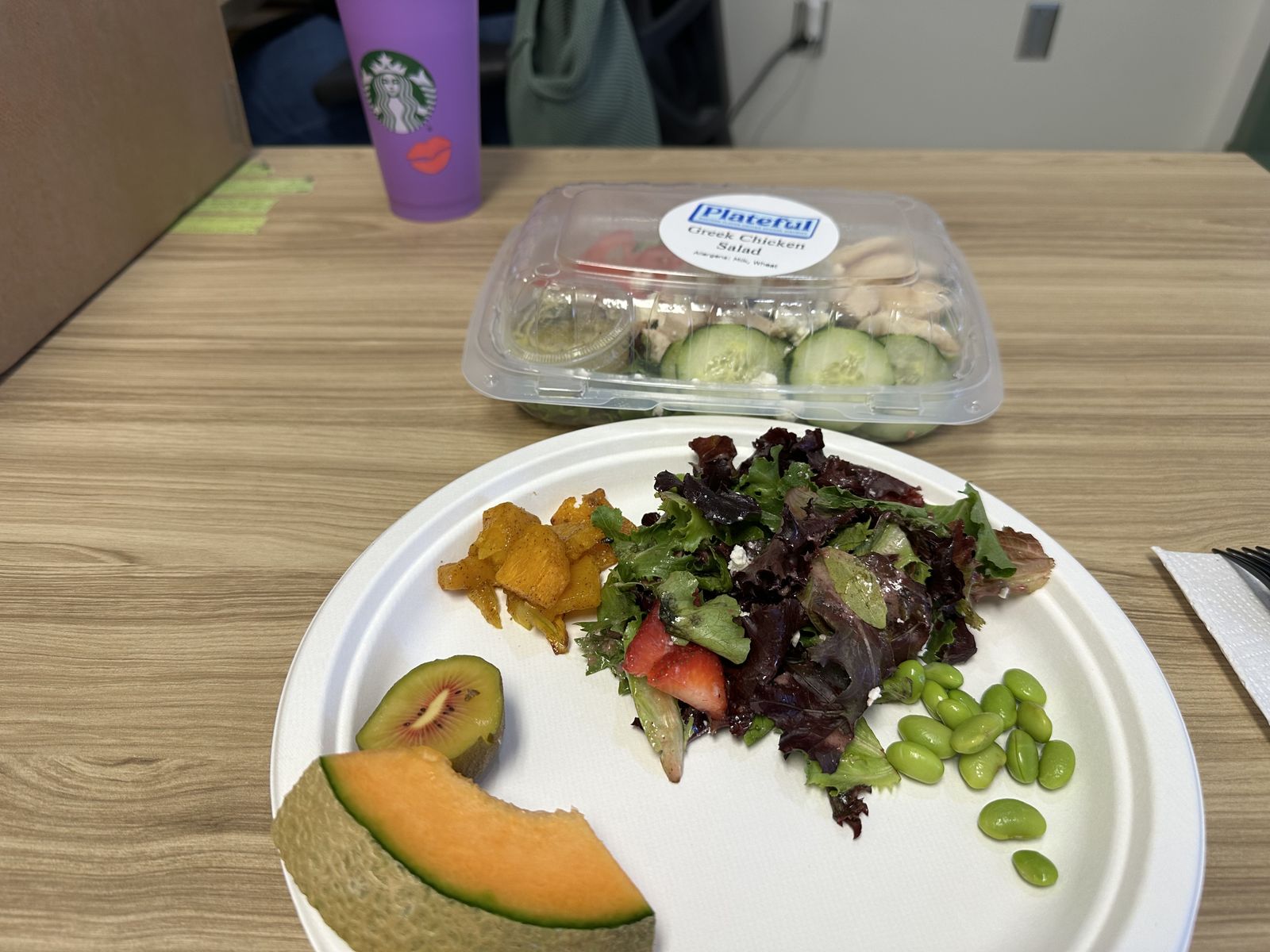
Western Placer Unified School District (WPUSD) serves about 8,200 students across 13 schools in Lincoln, California. Its Food & Nutrition Services program, known as Plateful by WPUSD, puts out roughly 1.2 million meals a year on a multi-million-dollar food budget spread across more than ten vendors. Invoices arrive on paper from every site while awarded bid prices sit in separate PDFs and spreadsheets, which makes verifying that what was billed matches what was bid a job no one has time to do line by line.
Christina Lawson, Food Service Director, leads that work, with a passion for fresh, local food and growing young palates. She has spent ten years reimagining school meals, on a mission to make scratch-cooked, delicious meals the norm — one bite at a time. WPUSD is Eat Real certified at the green tier and received a USDA Healthy Meals Incentives Recognition Award for Innovation in the Preparation of School Meals.
What made Christina and her team a great partner for us is that they told us the truth. They brought us their challenges and told us plainly what was working and what wasn't.
The challenge
- Checking every invoice line for price accuracy wasn't realistically possible. More than 3,000 invoices a year arrived on paper from every school site, while contracted bid prices sat in separate files. Verifying each line against its bid meant a manual cross-reference no one had the hours for, so pricing was spot-checked at best.
- Spend against PO was always a lagging number. Invoices trickled in on their own schedule, so the district's real position on any given contract wasn't knowable in real time. As Christina put it: "we get to June and we realize we have liabilities out there because we never got an invoice."
- Invoice records and payment records lived in two different places. What Plateful had uploaded and what the district office had actually paid through Escape were reconciled by hand in a spreadsheet.
The solution
WPUSD started using Producycle, a procurement intelligence platform built specifically for K-12 school nutrition programs. Staff scan and upload invoices; we read them automatically and turn them into structured, searchable data. From there the platform matches every invoice line against the contracted bid price, flags what doesn't match, tracks PO utilization by vendor, and reports Buy American and organic percentages on demand.
The impact: year 1 results
- More than 3,000 invoices processed
- $2M+ in food spend tracked
- 10+ vendors managed
- More than 1,600 invoice lines found that did not match their bid
- About $12,000 in vendor credits recovered
Beyond the numbers, three things stood out:
-
Commodity accountability. Producycle surfaced commodity items being invoiced at commercial prices — a category most districts have no practical way to audit, because the notification never arrives and the product code never changes.
-
Price discrepancies packaged as evidence. Each one comes with the invoice ID, date, item, bid price and invoice price, in a format Plateful staff can send straight to a vendor rep throughout the year.
"So that I can take it to the vendor and say, hey, this is what's going on. Can you explain it? Can you give us a refund?"
— Christina Lawson, Food Service Director, Western Placer Unified School District
-
Invoice and payment status in one view. Plateful's Escape export now loads alongside uploaded invoices, so paid and unpaid sit side by side instead of being reconciled by hand.
"This is perfect. For us this is awesome, and it definitely takes away a lot of the manual work on our end."
— Christina Lawson, Food Service Director, Western Placer Unified School District
About Producycle
Producycle is a procurement intelligence platform for K-12 school nutrition programs. We take raw invoice data, whether it comes in as PDFs or images, and turn it into something structured and searchable, so districts can catch pricing discrepancies, show their Buy American and local sourcing numbers, and track spend against their bids without living in a spreadsheet. We're creating a world where institutions serve healthier food, understand true costs, and strengthen local food systems.